
Combining Paint and Wallpaper for Unique Designs
Combining paint and wallpaper offers an exciting avenue for creating interiors that marry texture, pattern, and color in fresh, unexpected ways. Rather than adhering strictly to one medium, mixing and matching can yield personalized rooms that feel cohesive yet dynamic. In this comprehensive guide, we’ll explore strategies, techniques, and inspirational ideas for using paint and wallpaper in harmony—unlocking your creativity and ensuring your décor projects deliver unique, professional-quality results.
1. Understanding the Basics: Why Combine?
-
Depth and Dimension: Wallpaper introduces pattern and texture; paint contributes solid fields of color and tonal variety. Together, they give walls a layered richness.
-
Focal Point Creation: A wallpaper accent wall paired with complementary paint can draw the eye to a feature (fireplace, bedhead, built-in shelves) and anchor the room’s overall scheme.
-
Budget-Friendly Flexibility: Wallpaper need only cover one or two walls to make a statement, while paint on the remaining walls keeps costs down without sacrificing impact.
-
Room Zoning: In open-plan layouts, alternating wallpaper and paint sections can delineate functional zones (e.g., dining vs. living area) without erecting physical barriers.
2. Planning Your Palette and Patterns
2.1 Color Coordination
-
Harmonious Hues: Pull a dominant or secondary color from the wallpaper motif and use that as your paint color. For instance, a floral wallpaper with blush pink accents can pair with a muted rose wall paint on adjacent walls.
-
Contrast for Drama: A bold graphic wallpaper (think black-and-white geometrics) looks striking against a deep, moody paint—navy blue, charcoal, or forest green.
-
Neutral Grounding: If your wallpaper is highly ornate or vividly colored, temper the scheme with a neutral paint—ivory, taupe, greige—to let the pattern shine without overwhelming the senses.
2.2 Pattern Scale and Placement
-
Large vs. Small Scale: Pair a large-scale wallpaper pattern on one wall with a small accent stenciled or painted motif on another. This maintains visual balance.
-
Half-and-Half “Wallpaper-Paint” Divide: Use wallpaper on the top half of the wall and paint on the bottom half (or vice versa). A thin wooden or MDF dado rail (also called chair rail) can elegantly separate the two.
-
Framing with Paint: Apply paint to create “frames” around wallpaper panels—ideal for irregular surfaces or highlighting wallpaper insets around shelving niches.
3. Techniques for Seamless Integration
A. Transition Strips and Molding
Using decorative moldings (picture rails, chair rails, crown moldings) to border the edge where wallpaper meets paint ensures a crisp, intentional look. Paint the molding in a contrasting or complementary color to tie both elements together.
B. Stenciling Over Paint
Extend a secondary motif from the wallpaper onto painted walls via stenciling. Choose a subtle, tone-on-tone shade for understated cohesion or a contrasting shade for a bolder, graphic effect.
C. Ombre and Gradients
Blend paint from light to dark behind a section of wallpaper to create dimension. For instance, let a light gray ombre deepen to charcoal behind a black-and-white botanical wallpaper, producing a fade effect that feels modern and fluid.
4. Room-by-Room Inspirations
A. Living Room
-
Feature Wall: Install a tropical-print wallpaper behind the sofa. Paint the surrounding walls in a lush leaf green drawn from the wallpaper’s foliage. Add gilt picture-molding frames painted in the same green, inside which you can mount plain painted panels for added texture.
-
Ceiling Accent: Wallpaper the ceiling with a sky-blue, cloud-inspired pattern; then paint the walls in crisp white with a thin, painted “cloud” stencil running just under the crown molding. The effect adds whimsy above eye level.
B. Bedroom
-
Headboard Backdrop: Hang an elegant damask wallpaper in muted dusty rose behind the bed; paint the remaining walls in a warm cream. Extend the damask pattern onto the ceiling through a hand-painted stencil in an off-white shade for a romantic cocoon-like feel.
-
Closet or Nook Surprise: Paper the inside of a closet or dressing nook for a pop of pattern when opened, and keep the external walls painted in a coordinating pastel. It’s a delightful reveal every time you open the doors.
C. Kitchen & Dining
-
Breakfast Nook: Accent one wall of a breakfast nook with a retro geometric wallpaper; paint the others in a complementary matte mustard or teal. Echo the wallpaper’s pattern in a painted chevron detail on the bench seating fronts.
-
Backsplash Replacement: For a non-traditional take, use removable vinyl wallpaper behind open shelving in place of a tile backsplash. Encircle the wallpaper area with painted trim to mimic cabinet face frames.
D. Bathroom
-
Half-Wall Vinyl: Apply vinyl wallpaper to lower half of the bathroom walls (resistant to moisture) and paint the top half in a coordinating pastel. Install a thin metal or painted wood rail between the sections.
-
Niche Highlight: Line shower niches or recessed shelving with a bold wallpaper; paint the rest of the bathroom in sleek, solid colors to let the pattern act as a jewel-like accent Combining paint and Wallpaper for Unique design.
5. Practical Considerations and Tips
-
Surface Preparation: Ensure walls are smooth—fill holes, sand imperfections, and apply primer. Painting first creates a uniform base for wallpaper though unpainted drywall is acceptable if well-prepped.
-
Moisture and Washability: In high-humidity areas (bathrooms, kitchens), choose washable or vinyl-coated wallpapers and semi-gloss or satin paint finishes to withstand steam and splashes.
-
Sample First: Always procure sample-sized rolls or paint testers. Create swatches on the actual walls, and observe them at different times of day under natural and artificial light.
-
Professional Installation: Intricate wallpapers, especially heavy grasscloths or metallic designs, benefit from professional hangers. However, simple stripes or geometric rolls can be tackled as DIY weekend projects.
-
Future Flexibility: For renters or those prone to changing décor, consider peel-and-stick wallpapers. These remove cleanly without damaging the paint underneath, allowing you to repaint and re-paper as style evolves.
6. Accessorizing to Complete the Look
-
Trim and Hardware: Paint door and window trims in one of the palette’s accent colors. Consider swapping standard knobs or pulls for finishes (brass, matte black) that echo metallic elements in the wallpaper.
-
Textiles and Artwork: Coordinate cushions, throws, and area rugs with the painted color fields, and hang framed wallpaper scraps or complementary prints to tie the scheme together.
-
Lighting: Choose fixtures with shades or finishes—like lacquered metal or milk-glass—that reflect the design’s color and style. A simple painted wall can support a bold pendant, while an ornate wallpaper might call for understated, minimalist sconces.
7. Troubleshooting Common Pitfalls
-
Overwhelming Pairings: Too many patterns or loud colors can clash. Counterbalance with neutral paint or minimalist furnishings.
-
Mismatched Undertones: Even colors that appear similar can have cool or warm undertones. Always test paint samples beside wallpaper to confirm harmony.
-
Scale Discrepancies: A tiny floral wallpaper next to a huge block of solid paint can feel unbalanced. Introduce a mid-scale pattern—perhaps via stenciling or a painted trim detail—to ease the transition.
Conclusion
The artful combination of paint and wallpaper transforms ordinary walls into personalized canvases that reflect your style and creativity. By thoughtfully selecting complementary colors, balancing patterns and solids, and employing techniques like molding transitions, stenciling, and ombré fades, you can craft interiors that feel both cohesive and richly layered. Whether you’re revamping a single accent wall or reimagining an entire room, blending paint and wallpaper opens up an expansive design vocabulary—one that invites experimentation, sophisticated contrast, and enduring visual interest. Empowered with the strategies outlined above, you’re well on your way to creating unique, magazine-worthy spaces that truly stand out.
For Expert Advise click here to Get in touch with us
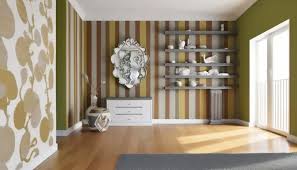
Combine paint and wallpaper for Unique designs to create stunning and unique interior designs that elevate any space. This design approach allows you to mix textures, colors, and patterns in creative ways, adding depth and personality to your walls. Whether you’re aiming for a bold statement or subtle elegance, knowing how to combine paint and wallpaper effectively can transform your home into a stylish sanctuary.
Combine paint and wallpaper to transform your interiors with layered textures and colors. When you combine paint and wallpaper, you open up countless design possibilities—from bold feature walls to subtle accents that highlight architectural details. Successfully learning how to combine paint and wallpaper allows you to create unique spaces that reflect your personal style.
In this guide, we’ll explore practical tips, inspiring ideas, and professional techniques to help you confidently combine paint and wallpaper in any room of your home.
By mastering how to combine paint and wallpaper for Unique Design, you’ll unlock endless design possibilities and craft spaces that truly stand out.