
Budgeting for Commercial Painting Projects: A Complete Guide for 2025
Commercial painting projects, whether for office buildings, retail spaces, warehouses, or multi-unit residential complexes, are significant investments that require strategic planning and a well-defined budget. A poorly estimated budget can lead to delays, overspending, or compromised quality. Whether you’re a business owner, property manager, or facility coordinator, understanding how to accurately budget for a commercial painting project will save you time, money, and frustration.
In this guide, we’ll break down the key components of a commercial painting budget, common cost factors, tips for minimizing expenses, and how to ensure your investment brings long-term value.
1. Why Budgeting for Commercial Painting Projects Is Critical to Success
Unlike residential projects, commercial painting jobs typically involve larger surface areas, stricter safety regulations, and the need for minimal disruption to business operations. Budgeting properly ensures:
-
Avoidance of unexpected costs due to unplanned scope changes.
-
Accurate forecasting of time and resource allocation.
-
Compliance with quality and safety standards.
-
Better decision-making when selecting paints, contractors, and timelines.
2. Key Factors That Influence the Cost
Several factors contribute to the overall cost of a commercial painting project. Being aware of them allows for a more accurate and comprehensive budget.
a. Surface Area and Accessibility
Larger areas require more paint, labor, and time. Difficult-to-reach surfaces, such as high ceilings or complex architectural features, may require special equipment like scaffolding or lifts, which increases costs.
b. Surface Preparation
Proper surface prep is crucial to ensure paint adhesion and longevity. This may involve:
-
Cleaning
-
Sanding
-
Scraping old paint
-
Patching cracks
-
Priming
The condition of the walls or surfaces significantly affects prep costs.
c. Type and Quality of Paint
Premium-grade paints may cost more upfront but provide better coverage, durability, and longer warranties. Additionally, the type of paint (e.g., epoxy, elastomeric, fire-retardant) impacts pricing.
d. Labor Costs
Labor is often the most expensive component. Rates vary depending on:
-
Region or city
-
Skill level of painters
-
Union vs. non-union labor
-
Project complexity
-
Night or weekend work
e. Project Timeline
Tight deadlines may require more crew members or overtime, increasing labor costs. Flexible timelines help reduce this.
f. Permits and Compliance
Some commercial projects may require local permits or compliance with regulations (especially for historical buildings or safety requirements), adding to the cost.
g. Weather Conditions
For exterior projects, weather impacts scheduling and paint performance. Delays due to rain or extreme temperatures can increase costs.
3. Creating a Realistic Budget Step-by-Step
Step 1: Conduct a Site Assessment
Bring in professionals to inspect the building and assess what’s required. They’ll check:
-
Current paint conditions
-
Required prep work
-
Building structure
-
Environmental concerns
This helps create an accurate scope.
Step 2: Define the Scope of Work
Outline the specifics:
-
Interior, exterior, or both?
-
Number of coats?
-
Special finishes or designs?
-
Which areas need paint (walls, ceilings, trim, etc.)?
Step 3: Get Multiple Estimates
Obtain at least three bids from reputable commercial painting contractors. Be sure each quote includes:
-
Labor
-
Materials
-
Prep work
-
Equipment rental
-
Cleanup
-
Project timeline
Avoid choosing the cheapest bid without reviewing credentials, insurance, and past work.
Step 4: Allocate for Contingency
Set aside 10–15% of the total estimated budget as a contingency fund. This covers unforeseen issues like substrate damage or last-minute changes.
Step 5: Schedule for Efficiency
Coordinate timing to minimize disruptions. For example, weekends or after-hours may cost more but reduce business downtime. Weigh these trade-offs when scheduling.
4. Cost-Saving Tips Without Compromising Quality
-
Use high-quality paint to reduce frequency of repainting.
-
Plan off-season work for possible contractor discounts.
-
Bundle services like interior and exterior jobs with one contractor.
-
Request written contracts to prevent scope creep and surprise charges.
-
Invest in regular maintenance post-project to extend paint life.
5. Common Budgeting Mistakes to Avoid
-
Underestimating surface prep: Skipping this leads to early paint failure and added costs.
-
Ignoring indirect costs: Business downtime, loss of foot traffic, or temporary relocation aren’t always included in contractor bids.
-
Poor contractor vetting: Always check licenses, reviews, and insurance.
-
Not planning for weather: Especially for exteriors, plan around seasonal conditions.
6. Long-Term Value Considerations
A commercial paint job isn’t just a visual improvement—it can:
-
Increase property value
-
Improve tenant or customer satisfaction
-
Protect structural materials from moisture and wear
-
Reinforce your brand image with custom colors and finishes
When budgeting, think beyond the initial expense and consider the long-term ROI of durable materials and professional workmanship.
7. Working With a Professional Painting Contractor
A good contractor will help guide your budget by:
-
Offering accurate estimates
-
Recommending cost-effective products
-
Ensuring code compliance
-
Managing timelines and subcontractors
-
Providing warranties for their work
Before signing a contract, make sure it clearly states the scope, materials, costs, timeline, and payment schedule.
Conclusion
Budgeting for a commercial painting project involves more than just calculating square footage and paint cans. It requires a thorough assessment of the site, an understanding of materials and labor, contingency planning, and a strategic approach to timing and contractor selection. By taking the time to budget properly, you can avoid costly surprises, ensure high-quality results, and get the best value for your investment.
For Expert Advise click here to Get in touch with us
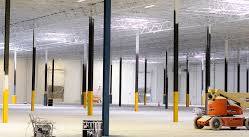
Budgeting for Commercial Painting Projects: A Complete Guide for 2025
Commercial painting is a major investment that goes far beyond just choosing a color and hiring painters. Whether you’re preparing an office complex, retail building, warehouse, or apartment complex, budgeting for commercial painting projects properly is crucial for staying on track financially and ensuring high-quality results.
This guide walks you through the process of building a painting budget, including cost factors, planning tips, and ways to avoid overspending.
Why Budgeting for Commercial Painting Projects is Essential
Commercial painting projects often cover large areas and require detailed planning, coordination, and compliance with safety and industry regulations. Budgeting accurately helps:
- Prevent project delays
- Avoid cost overruns
- Ensure professional standards
- Improve ROI through better paint selection and application
Without a solid budget, businesses risk underestimating key costs or compromising quality.