
Color Psychology: Choosing the Right Shades for Your Home
Color psychology is more than just a visual concept—it’s a powerful tool that influences our emotions, behaviors, and overall well-being. When it comes to home design, understanding color psychology can help you create environments that reflect your lifestyle, boost your mood, and enhance your comfort. Whether you’re redecorating a single room or designing your entire home, selecting the right shades using color psychology Choosing the Right shades for Your Home
principles can make a remarkable difference.
What Is Color Psychology?
Color psychology is the study of how different hues affect human mood, emotion, and behavior. While personal experiences and cultural backgrounds play a role in how we perceive colors, there are general patterns that make this field invaluable in interior design. Strategic color selection can help you create spaces that are calming, energizing, cozy, or luxurious—depending on your goals for each room.
Let’s explore how various colors are interpreted through the lens of color psychology Choosing the Right shades for Your Home and how they can shape your home environment.
Understanding Color Psychology
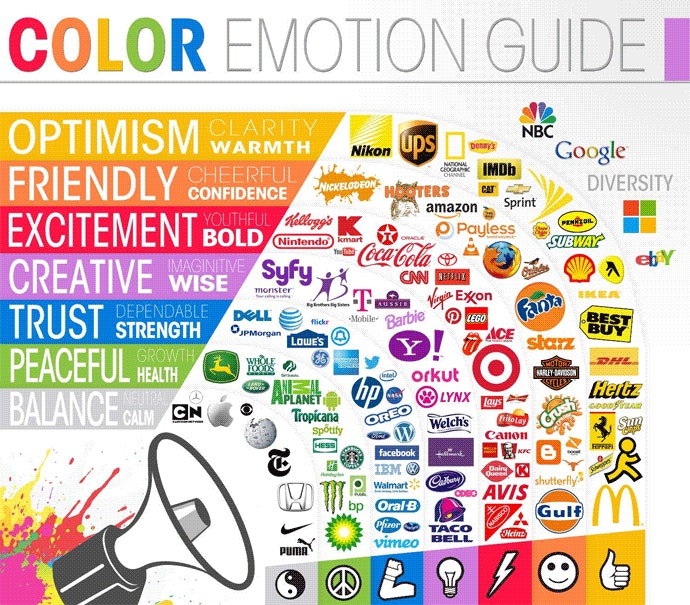
Color psychology is the study of how colors affect human moods and behaviors. Different colors evoke different emotional responses, which can vary slightly depending on culture, age, and personal experience. For example, while red might represent passion and energy to one person, it could symbolize danger or aggression to another. However, general patterns in color perception are widely accepted and used in interior design to create desired atmospheres.
Here’s a breakdown of some commonly used colors and the psychological effects they tend to have:
1. Blue – Calm and Productive
Blue is often associated with calmness, serenity, and stability. It’s a popular choice for bedrooms and bathrooms, where a soothing environment is desired. Lighter shades of blue can make a room feel open and airy, while darker blues add a sense of depth and elegance.
In offices or study areas, blue is known to boost concentration and productivity, making it a smart pick for workspaces. However, too much blue, especially in darker tones, can sometimes feel cold or distant, so balance it with warm accents or cozy textures.
2. Yellow – Cheerful and Energetic
Yellow is the color of sunshine and happiness. It’s a great mood booster and is often used in kitchens, dining areas, or entryways to evoke warmth and energy. Lighter yellows can make small spaces appear larger and brighter, while richer golds and mustard tones can add depth and sophistication.
However, too much yellow or very bright tones can sometimes lead to feelings of agitation or anxiety, so use it in moderation or as an accent.
3. Green – Refreshing and Balanced
Green is the color of nature and renewal. It represents balance, harmony, and growth. Because it bridges the gap between cool and warm colors, green is one of the most versatile and balanced hues in interior design.
Soft sage or mint greens are perfect for bedrooms and living rooms to create a relaxing vibe. Richer greens like forest or emerald can bring a touch of luxury and drama, especially when paired with neutrals or gold accents.
4. Red – Bold and Passionate
Red is intense, powerful, and full of emotion. It can stimulate appetite, energy, and conversation, making it a popular choice for dining rooms or social areas. In small doses, red can add warmth and vibrancy, but when overused, it can become overwhelming or even provoke feelings of tension.
If you love red but are hesitant to use it on walls, consider using it in accessories, furniture, or artwork for a bold yet balanced look.
5. Purple – Luxurious and Creative
Purple has long been associated with royalty, luxury, and creativity. Lighter purples, such as lavender or lilac, offer a sense of tranquility similar to blue, while deeper shades like plum or eggplant evoke richness and drama.
Purple can be a great choice for bedrooms, meditation rooms, or creative studios. When paired with metallics or jewel tones, it creates a regal and imaginative atmosphere.
6. Orange – Welcoming and Lively
Orange blends the energy of red and the cheerfulness of yellow. It’s often seen as warm, enthusiastic, and inviting. While it may be too stimulating for bedrooms, it works well in living rooms, kitchens, or exercise spaces.
Earthy oranges like terracotta or burnt sienna add warmth and a rustic charm to interiors, while brighter tangerine shades can give a modern, eclectic feel.
7. Pink – Gentle and Romantic
Pink ranges from soft blush tones to vibrant magentas, each evoking different feelings. Light pinks are often associated with calmness, romance, and femininity, making them popular for bedrooms or nurseries. Brighter pinks, when used sparingly, can add a playful or artistic flair to a room.
For a more grown-up look, dusty rose or mauve shades pair well with greys, greens, and metallics.
8. Neutrals – Versatile and Timeless
Neutrals such as white, beige, grey, and taupe are the backbone of most color palettes. They provide a clean, calming backdrop and allow other colors to shine. Depending on their undertones, neutrals can be warm or cool and suit virtually any room.
White promotes clarity and simplicity, while greys can feel modern and sophisticated. Beige and taupe offer warmth and work well with both traditional and contemporary styles.
Choosing the Right Colors for Each Room
When selecting colors for your home, consider the function and mood of each room:
-
Living Room: This is a social space, so opt for warm, welcoming colors like soft greens, beige, muted orange, or even jewel tones for elegance.
-
Bedroom: Choose calming shades like blue, green, lavender, or soft neutrals to promote rest and relaxation.
-
Kitchen: Energizing colors such as yellow, orange, or even vibrant green can stimulate appetite and conversation.
-
Bathroom: Clean and serene tones like white, pale blue, or mint green create a spa-like retreat.
-
Home Office: Blues and greens are great for focus and productivity, while adding pops of brighter hues like yellow can boost creativity.
-
Dining Room: Rich reds or deep greens can enhance appetite and create a more intimate atmosphere.
Tips for Using Color in Interior Design
-
Test Before You Paint: Colors can look different depending on lighting, room size, and other furnishings. Always test a sample on your wall before committing.
-
Use the 60-30-10 Rule: This classic design principle helps maintain balance. Use your dominant color for 60% of the space (walls), a secondary color for 30% (upholstery), and an accent color for 10% (decor).
-
Consider Natural Light: Rooms with lots of natural light can handle darker or bolder colors, while rooms with limited light benefit from lighter tones to make them feel brighter.
-
Think About Flow: When choosing colors for adjacent rooms, make sure they complement each other to maintain a cohesive look throughout your home.
-
Don’t Forget Texture and Finish: Glossy finishes reflect more light and feel energetic, while matte finishes absorb light and feel softer. Texture in fabrics and furnishings also affects how color is perceived.
Conclusion
Color is a powerful design tool that goes beyond aesthetics. By understanding how different shades affect mood and behavior, you can choose colors that not only look great but also make your home feel just right. Whether you’re aiming for serenity, stimulation, or sophistication, there’s a palette that can help you bring your vision to life. Remember, the best color choices are the ones that reflect your personality and make you feel at home.
For Expert Advise click here to Get in touch with us
“By studying Color Psychology: Choosing the Right Shades for Your Home, you’ll discover why soft blues promote relaxation in bedrooms, why energizing yellows work best in kitchens, and how balanced greens create a restorative living space.”